
Reading time: 3 minutes
Organic shapes and warm colours
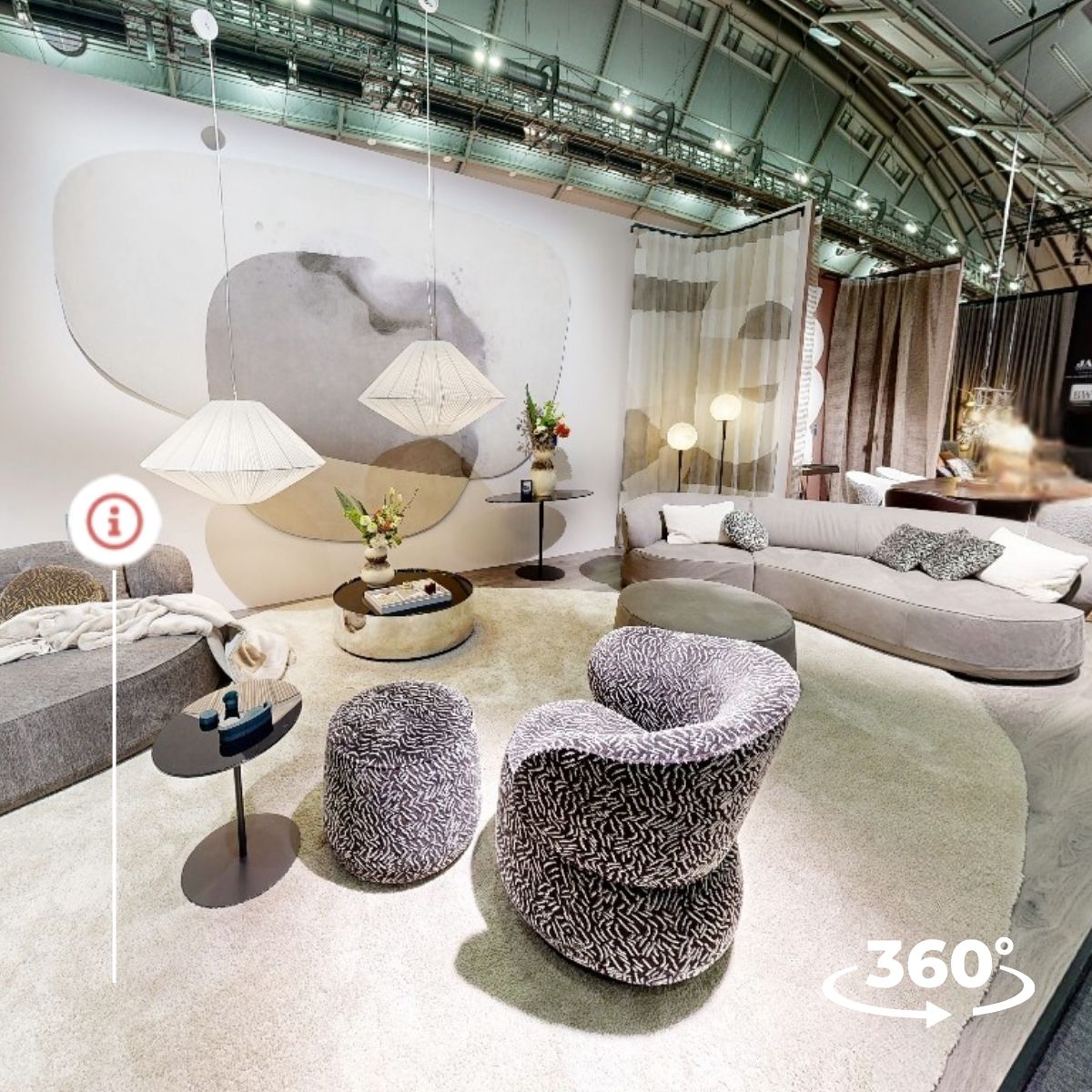
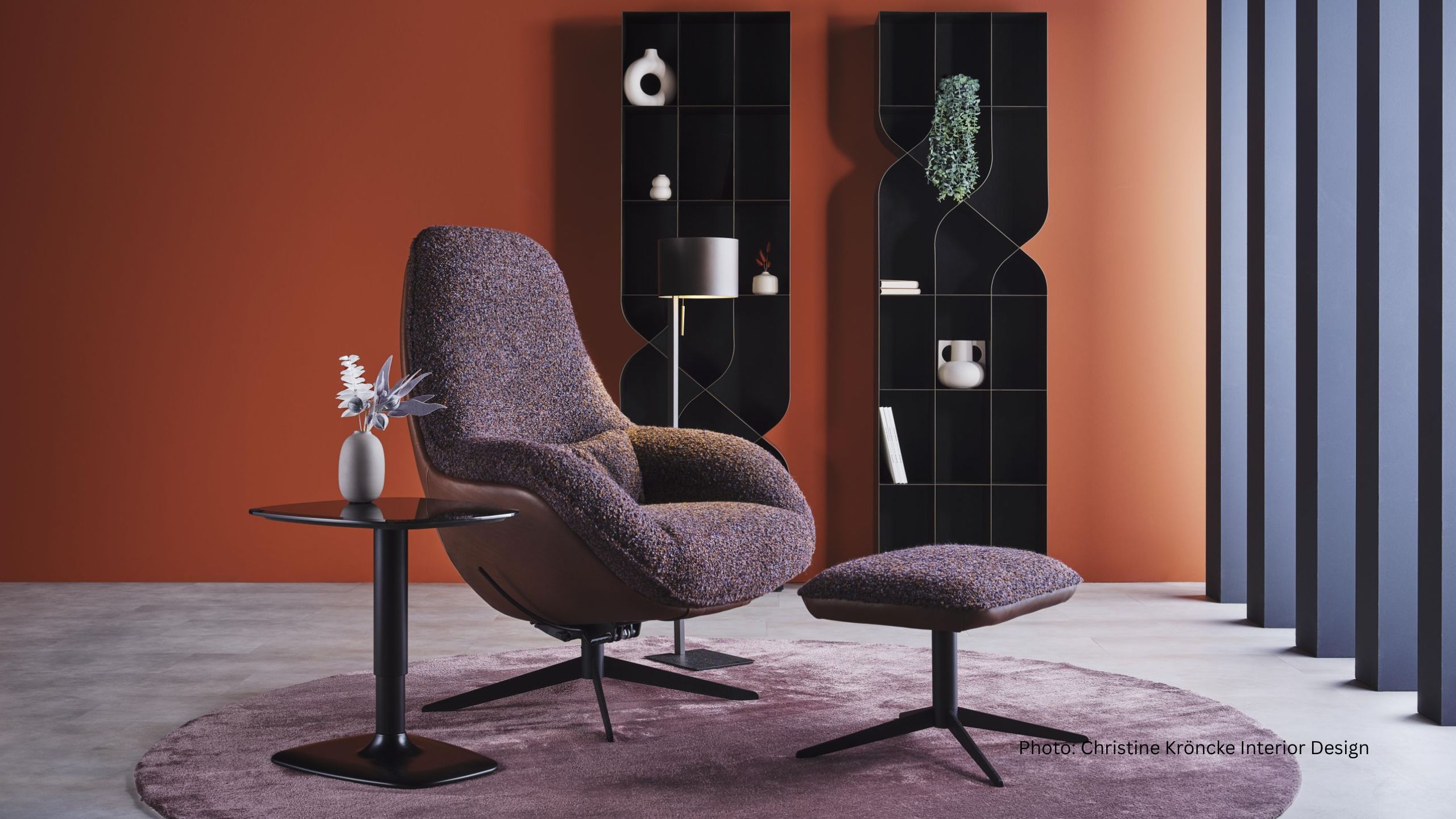
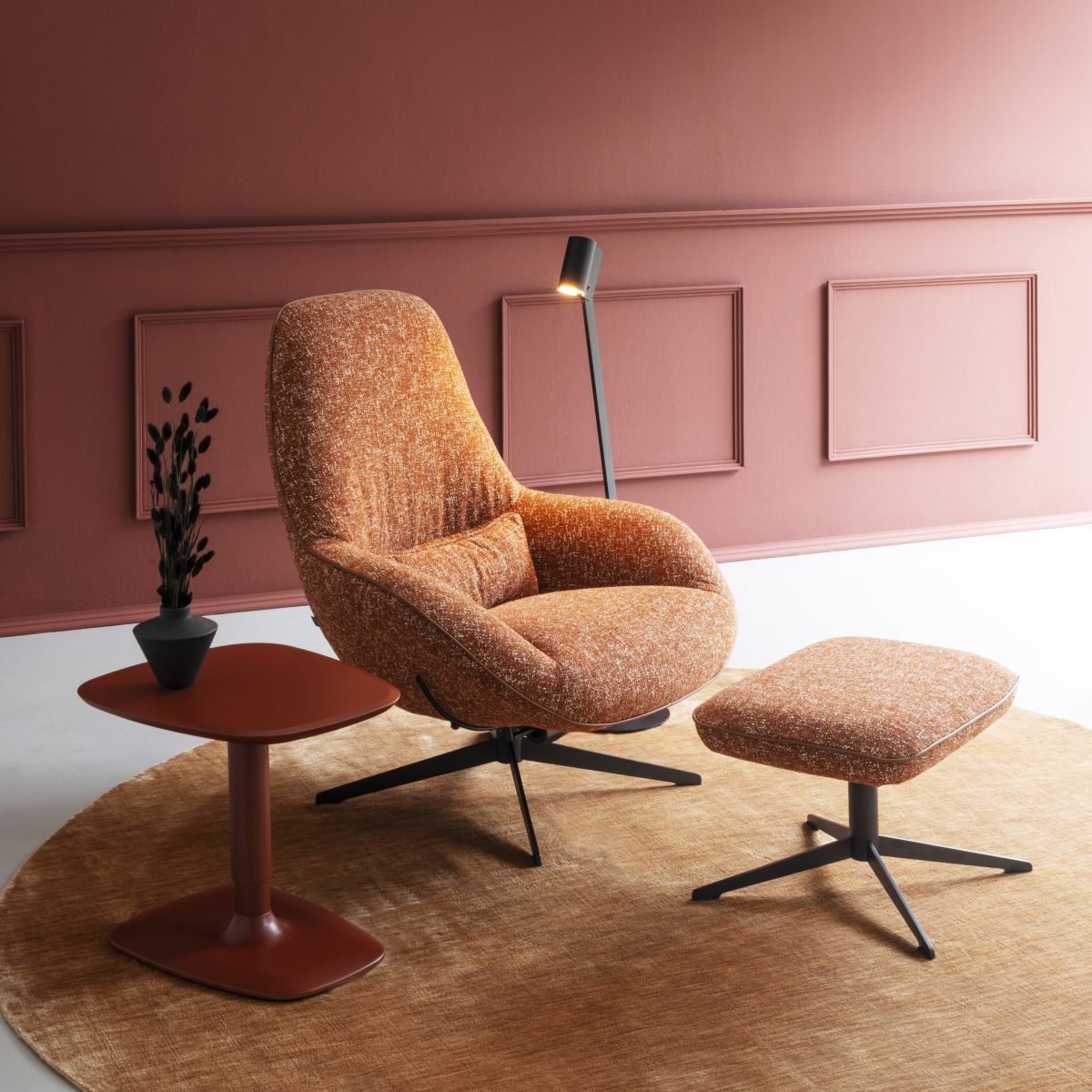
Interior design in the 1970s was characterised by round, curved shapes and bold colours such as orange, yellow and brown. Large sofa arranements, shell chairs and lounge armchairs were indispensable elements. Today, it is above all the organic shapes that are making a comeback, while the modern colour palette is somewhat more muted and sophisticated. Terracotta, rust red, mustard yellow and shades of green bring a sense of calm to the ambience.
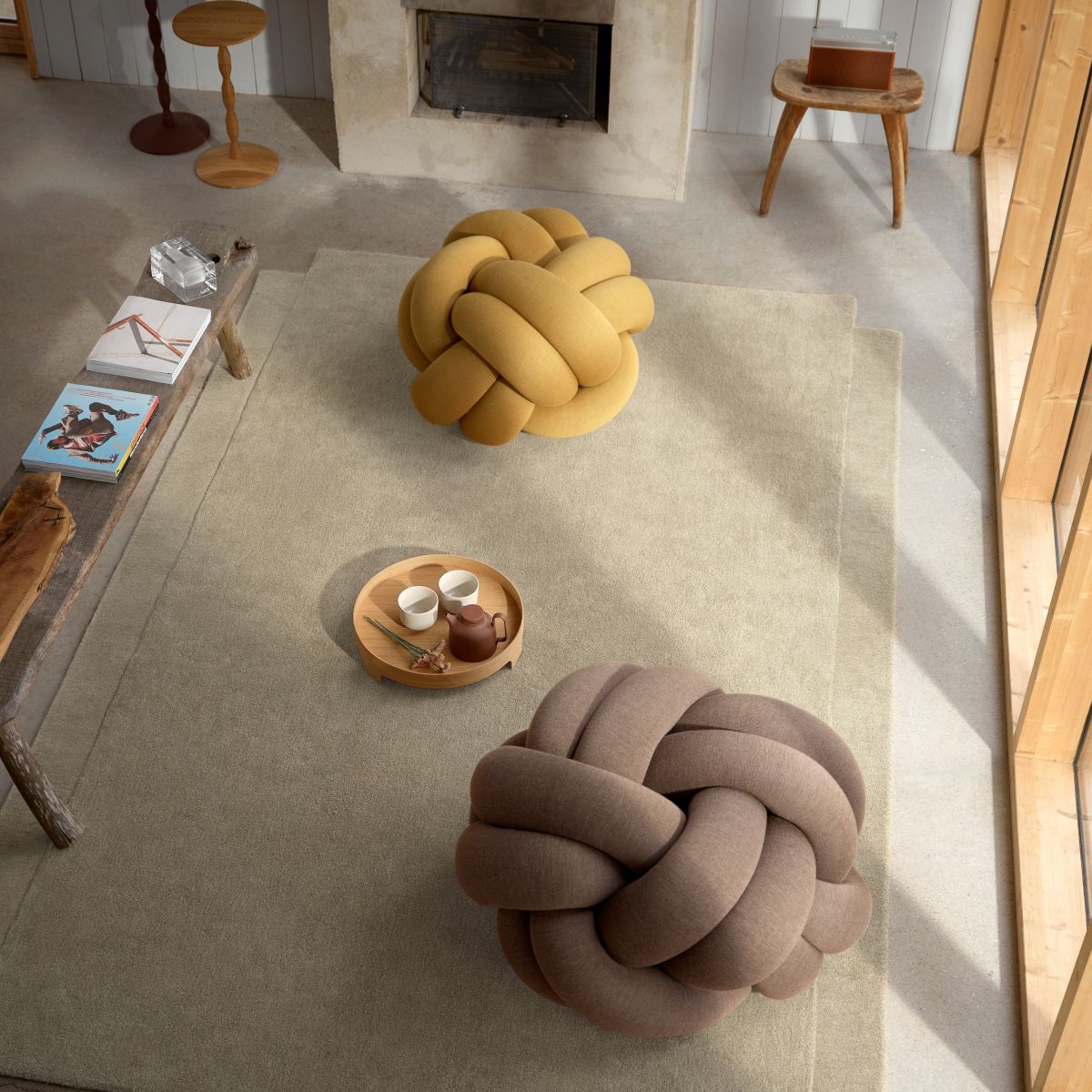
“Knot” by Designhouse Stockholm
Thanks to its striking design, the “Knot” seat cushion by designer Ragnheiður Ösp Sigurðardóttir is guaranteed to become the centre of attention. Long, filled tubes are tied together to form a knot, creating a completely new and wonderfully relaxed seating experience.
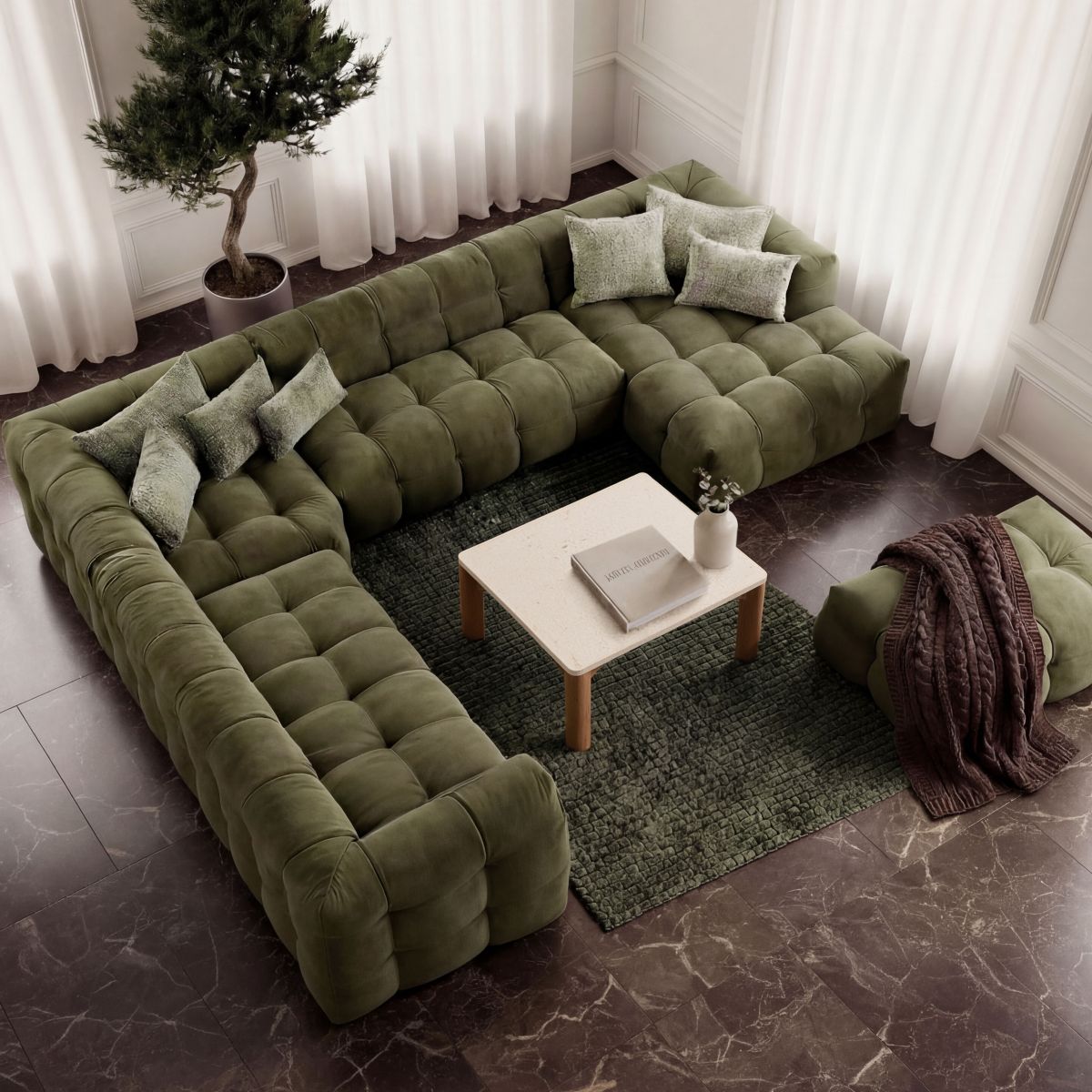
“Verge” by Andersen Furniture
“Verge” by Andersen Furniture is ideal for a generously proportioned 1970s-style sofa arrangement. Distinctive quilted stiching gives the modular sofa a sophisticated look. Its low backrest and deep seat provide exceptional comfort and invite you to sit back and relax.
Natural materials and tactile surfaces
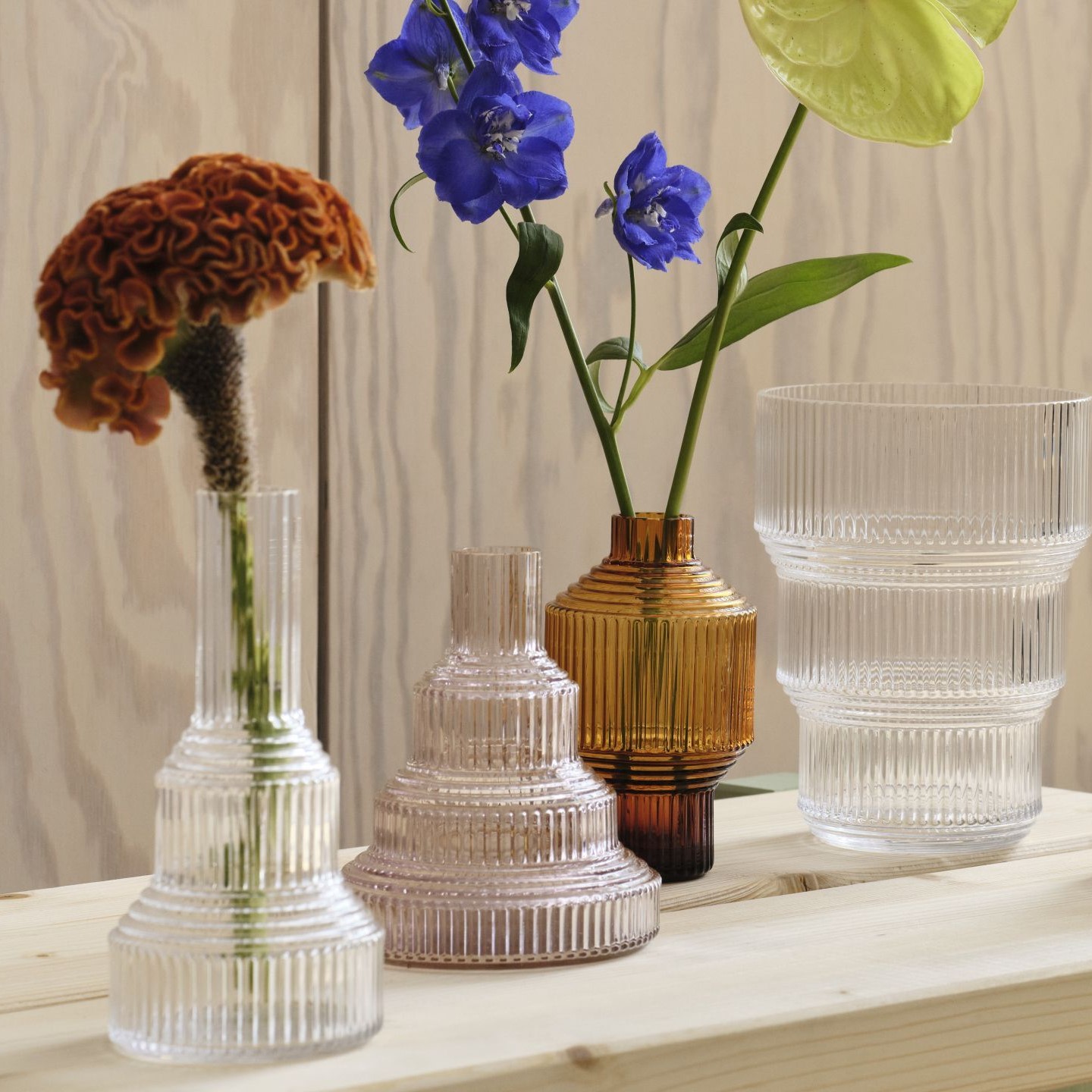
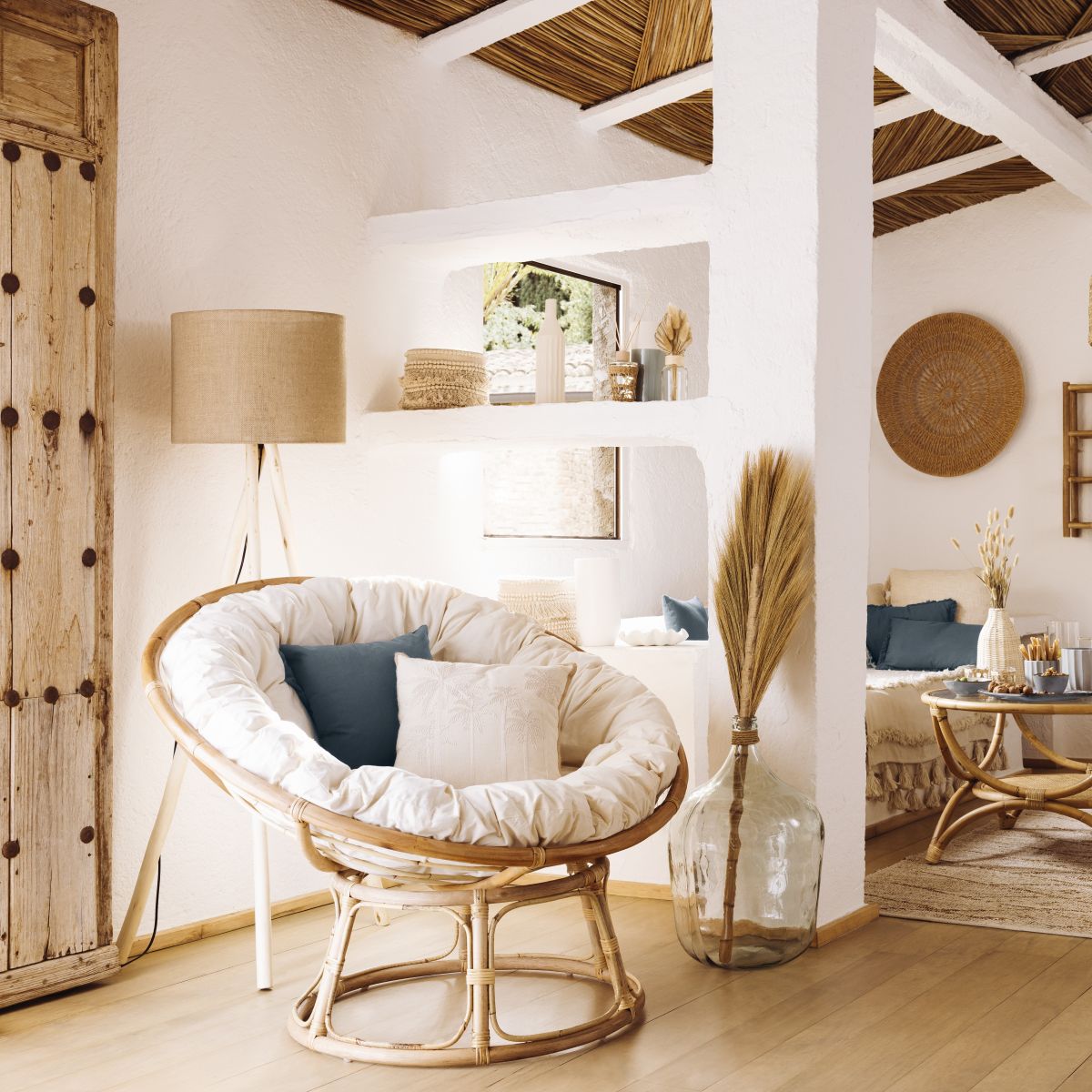
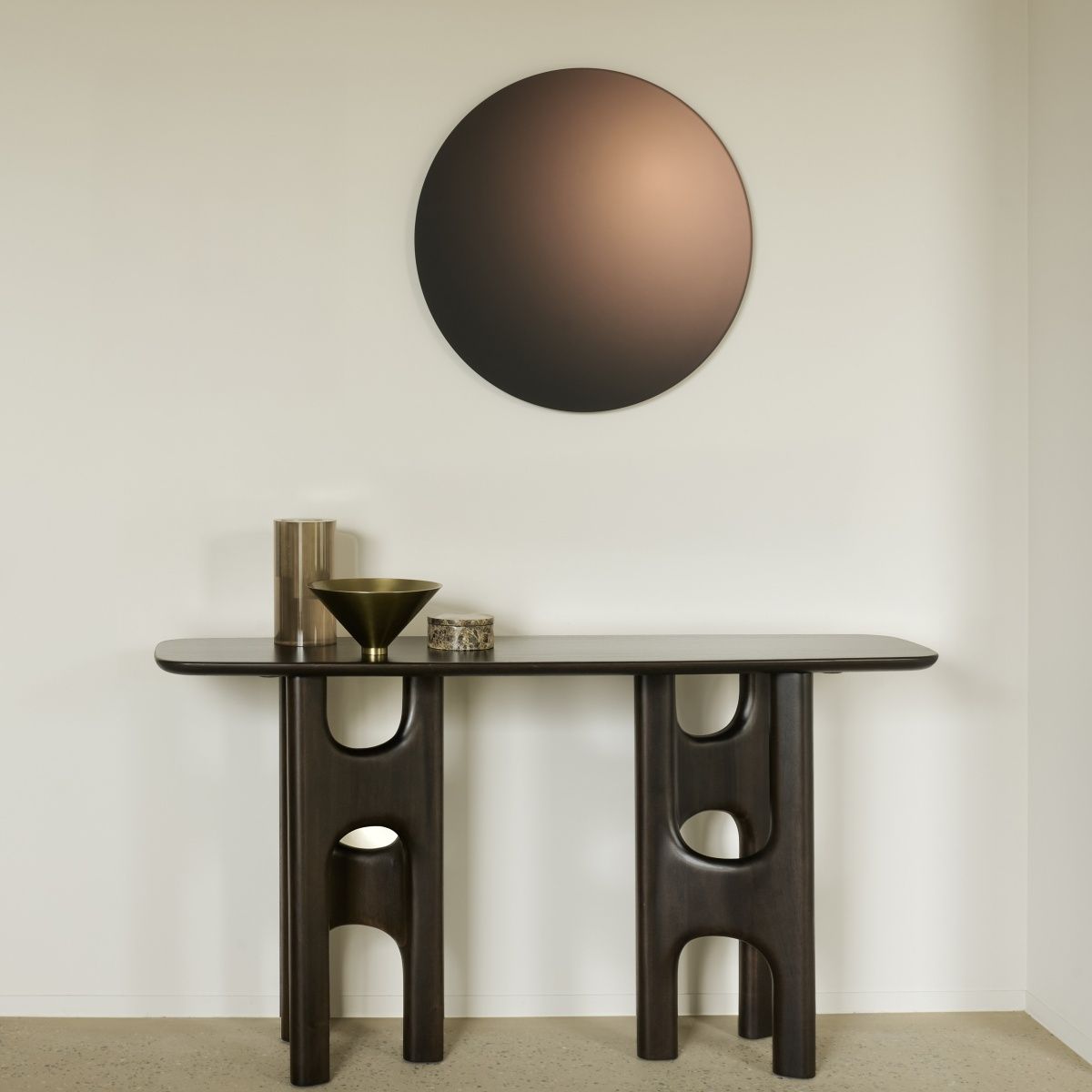
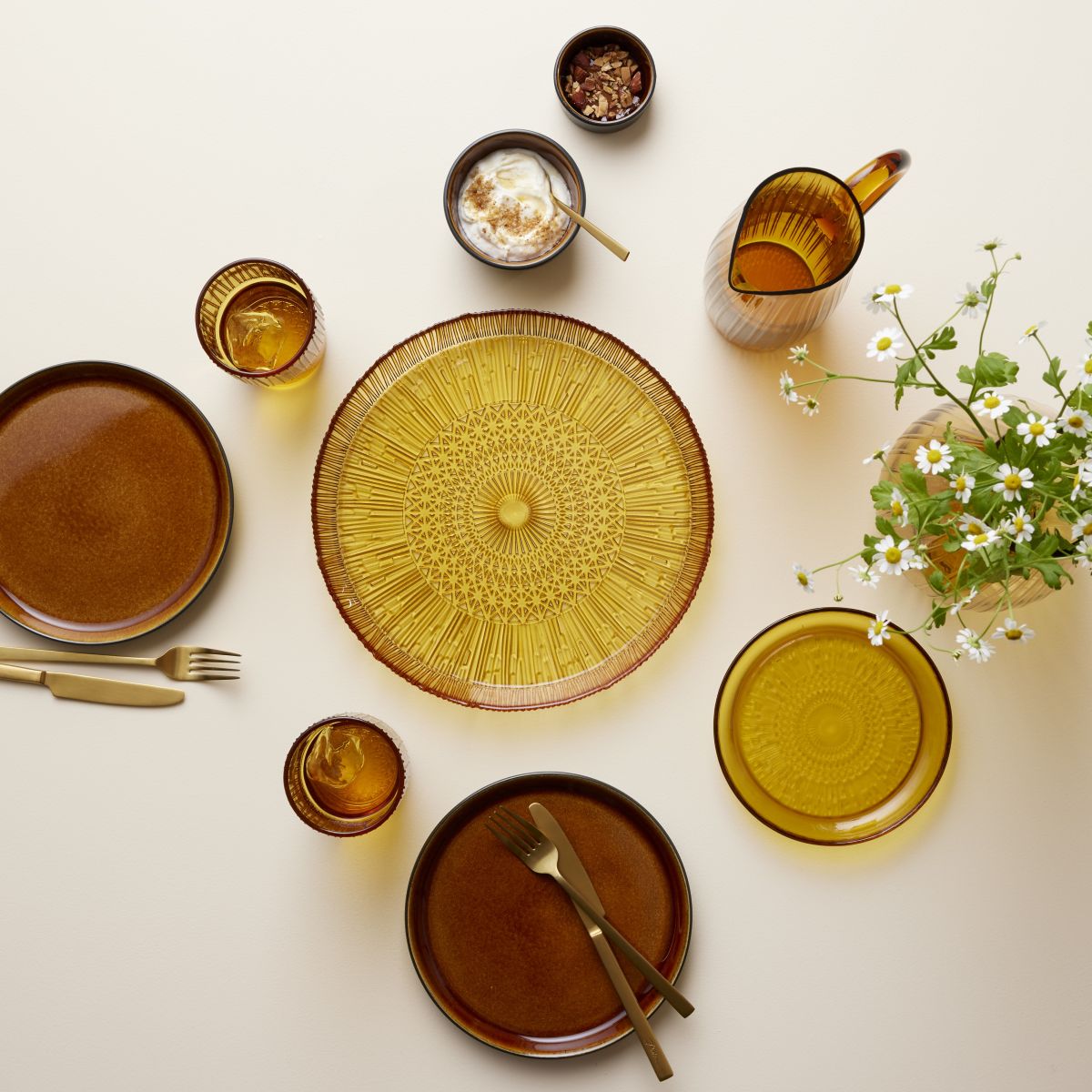
Interior styles always reflect social trends as well. Growing interest in nature and sustainability led to increased use of wood, natural fibres and earthy colours. Recycled and DIY furniture experienced an early boom. Fifty years on, dark wood, amber-coloured glass and tactile fabrics such as corduroy, velvet and bouclé are once again taking centre stage.
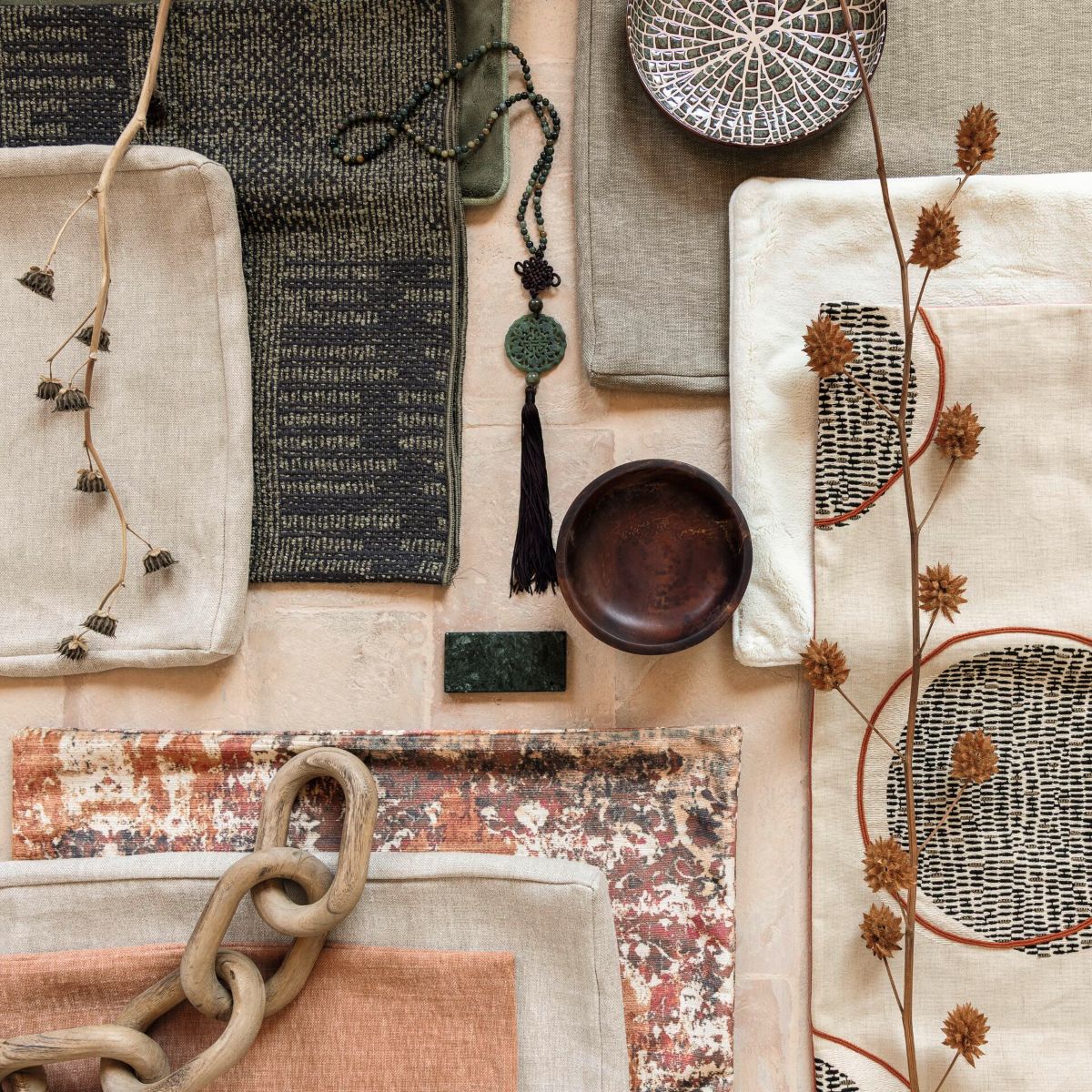
Home textiles by Chivasso
The “Sensitive Minimalist” theme from Chivasso’s “Mood Booster” collection focuses on subtlety, texture and craftsmanship. In delicate earth tones, soft green and warm white, the fabrics create an understated yet distinctly sophisticated atmosphere.
Design with distinctive shapes
A spirit of experimentation and a rejection of strict conventions defined the design language of the 1970s. Luigi Colani is regarded as a pioneer of organic design with its flowing forms, while Ettore Sottsass introduced bold colours and Pop Art influences into his designs. Finnish designer Eero Aarnio, meanwhile, created iconic Space Age designs. Many classics from this era, such as Verner Panton’s legendary Panton Chair, are still being produced today.
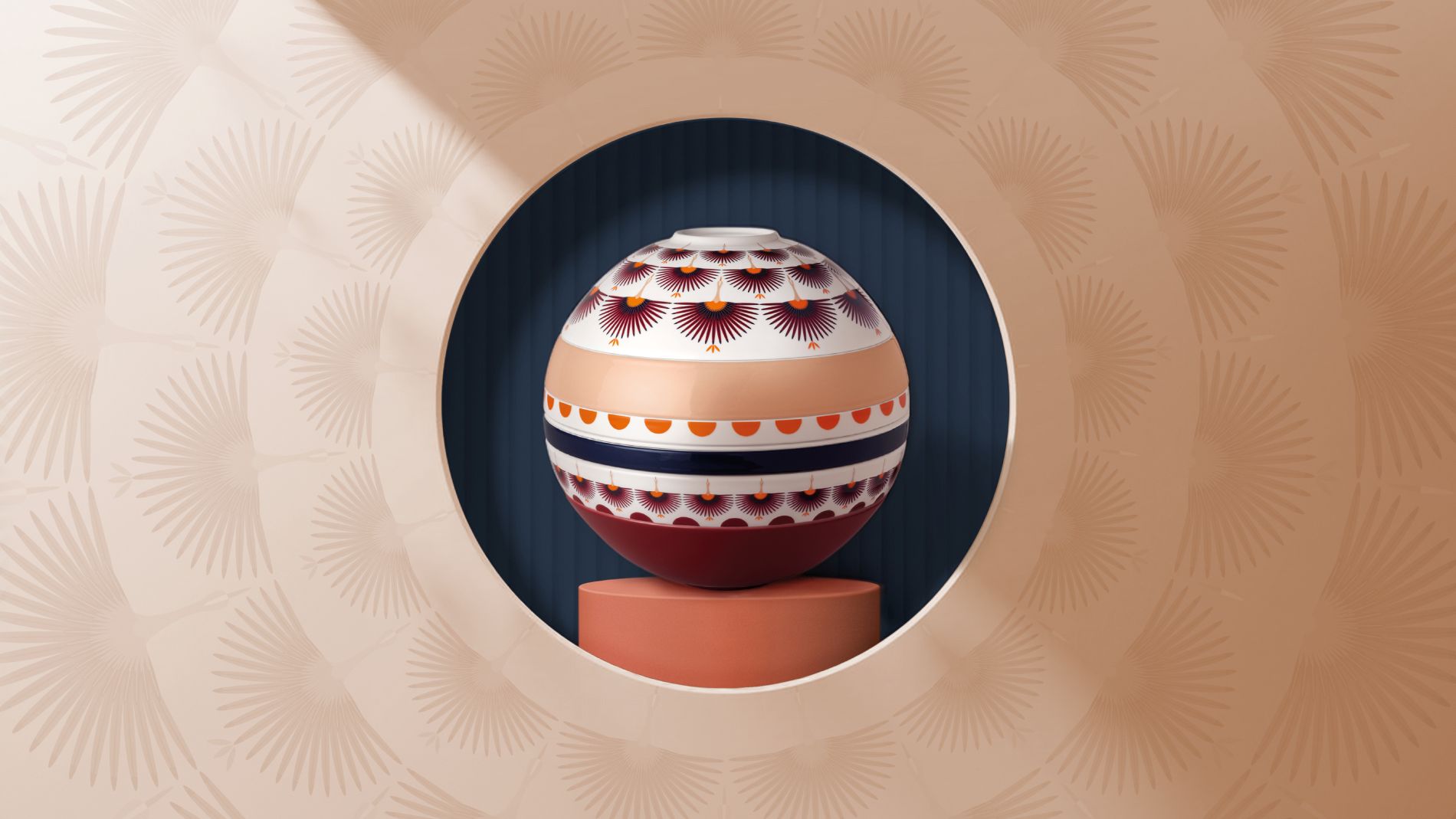
“La Boule” by Villeroy & Boch is a reinterpretation of the “Sphere”, which caused a sensation when it was created by designer Helen von Boch in 1971. When taken apart, “La Boule” is a seven-piece tableware set for two people. When assembled, it becomes a striking eye-catcher that makes an impact both on the table and within the interior. The latest design, “La Boule Kyoto”, combines a natural colour palette with vibrant accents.
More from Villeroy & BochDecorative highlights for retro styling
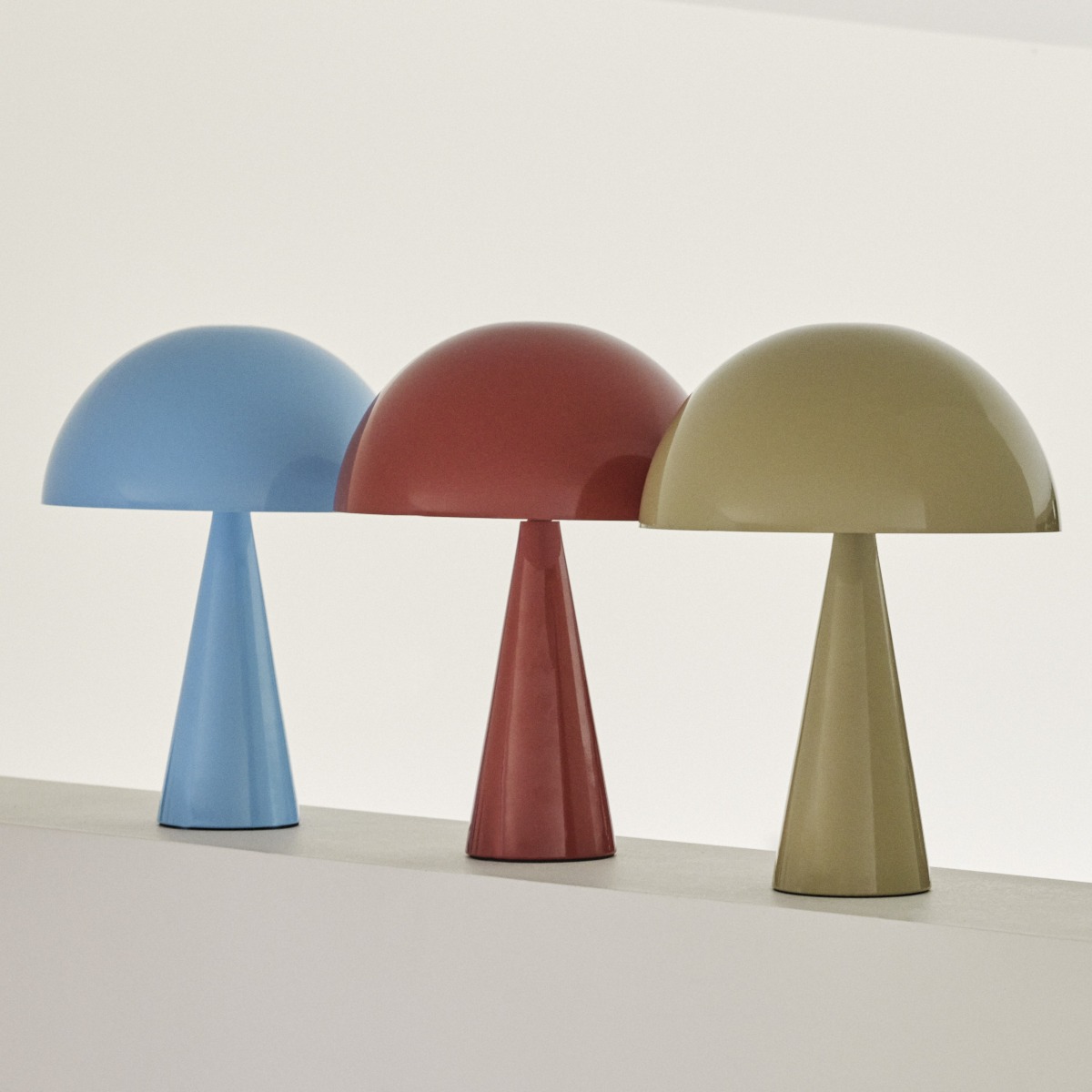
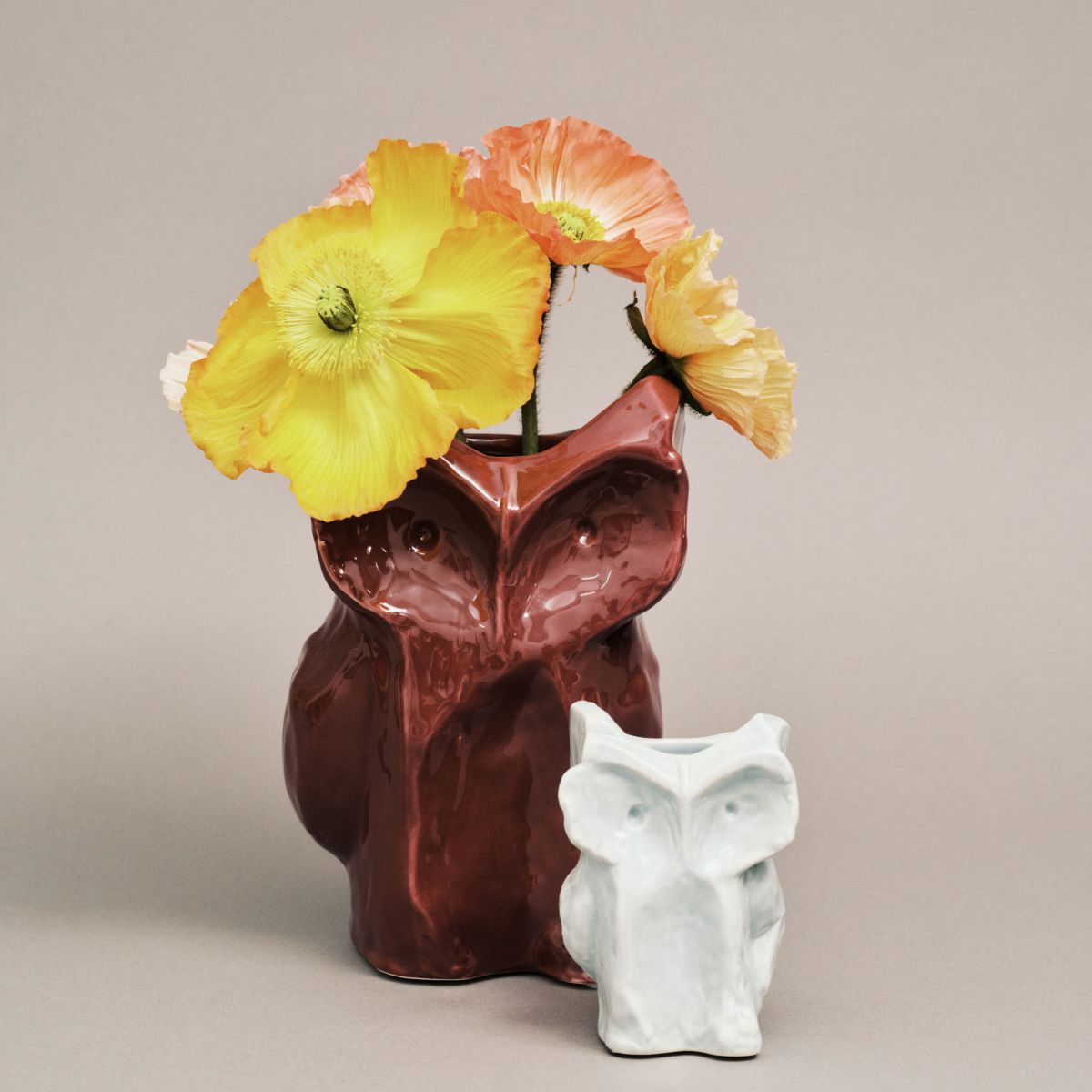
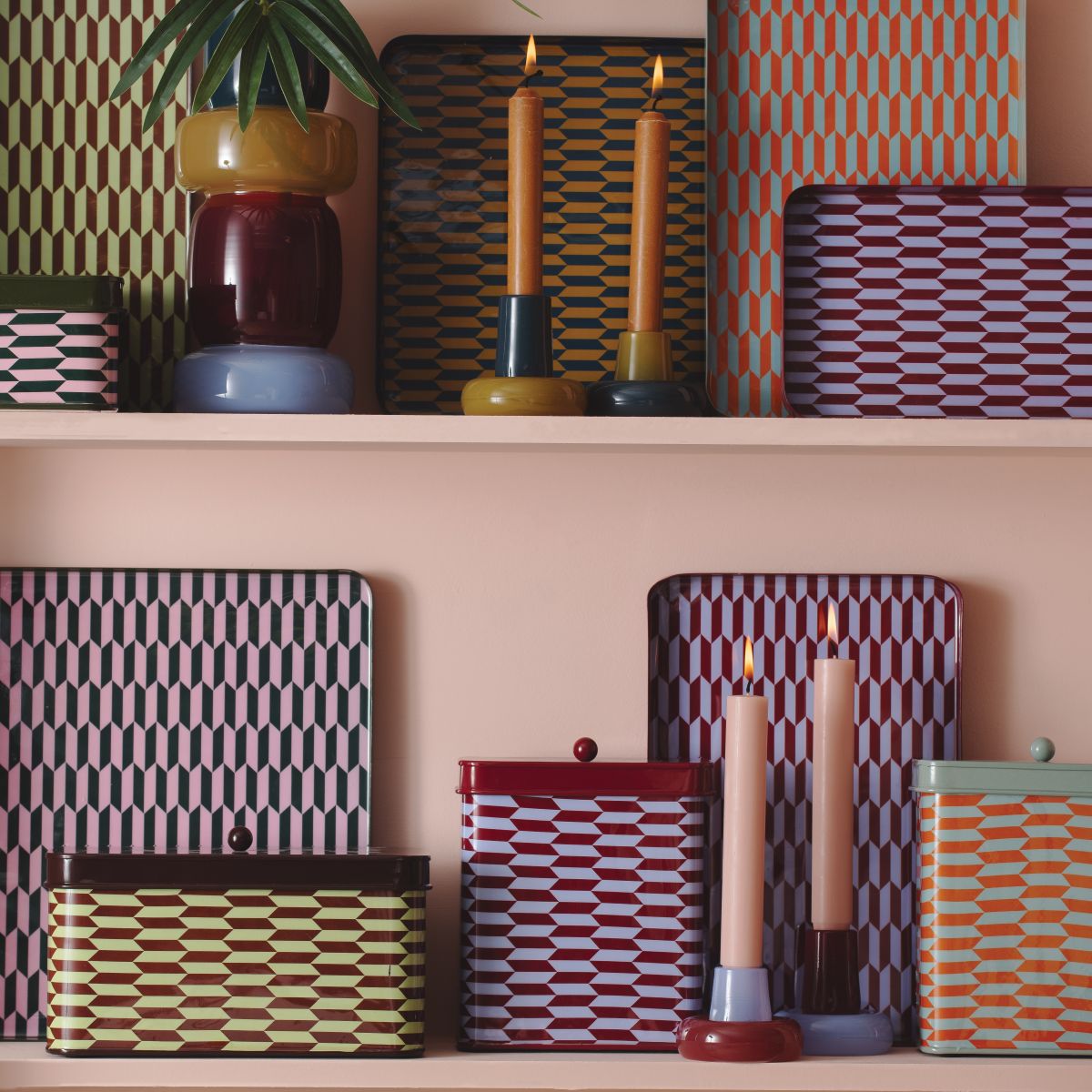
Thanks to the distinctive design language of the 1970s, just a few individual pieces are enough to evoke the spirit of the era. Original lighting solutions, for example, can provide vibrant accents. Typical of the 1970s are lamps made from steel or smoked glass in spherical or mushroom shapes. Decorative ceramic objects, which also tap into the current “craftsmanship” trend, or accessories featuring graphic patterns are equally well suited to effortless retro styling.