Reading time: 3 minutes
Why consumers are rediscovering creativity
The digital world is omnipresent. Smartphones, social media and constant connectivity are creating a continuous stream of stimulation.
As a result, many consumers are actively looking for ways to switch off. Creative activities such as drawing, crafting or journaling offer exactly that: a chance to focus, slow down and create something of their own. What was once seen as a simple hobby is increasingly becoming an integral part of modern lifestyles.
Creativity is now closely linked to themes such as mental wellbeing, self-care and personal development.
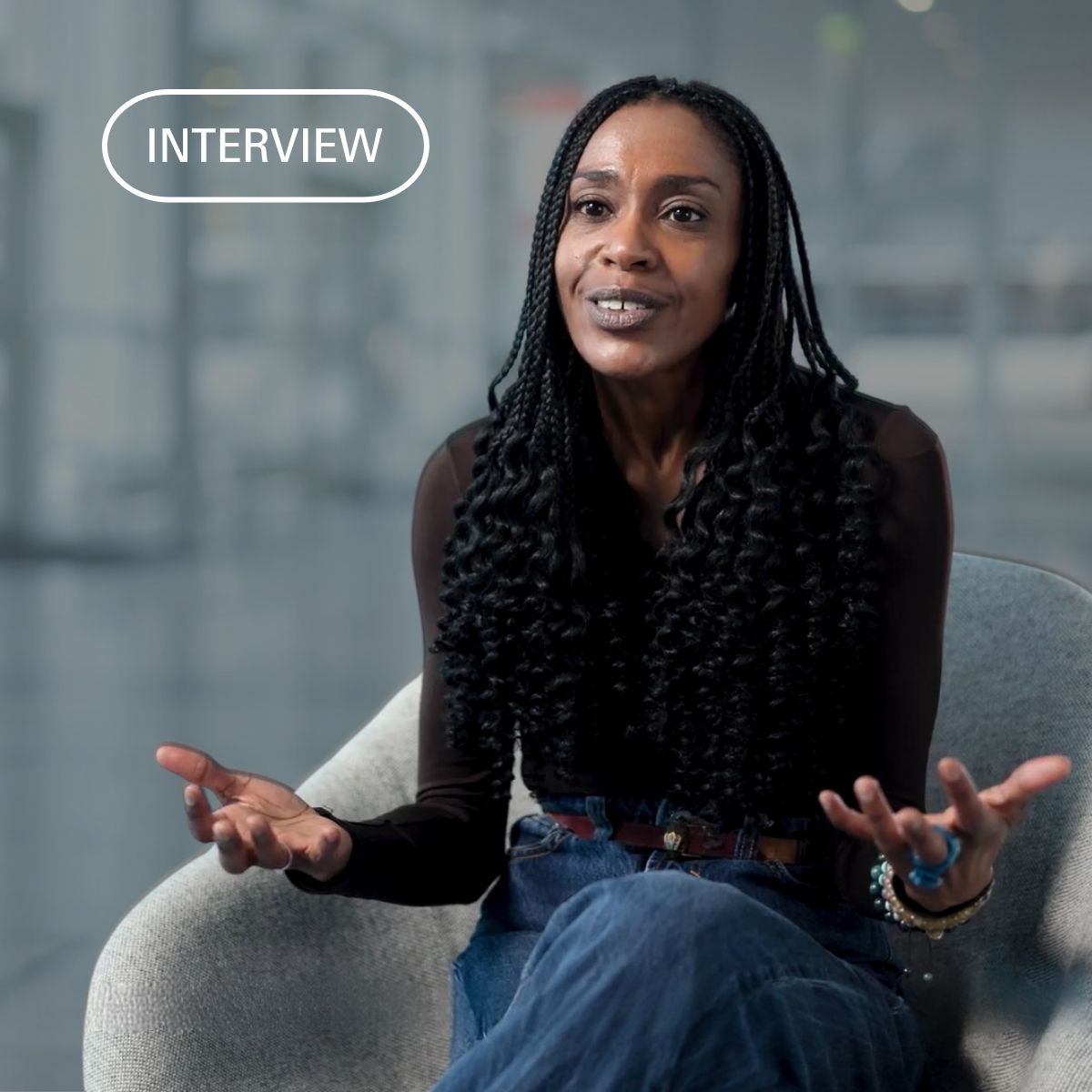
This shift is already visible in the market, as Sarthak, Marketing Director at Granotone – an Indian manufacturer of art supplies – explains:
The renaissance of journaling and analogue practices
In a world dominated by screens, the desire for tangible, tactile experiences is growing. Analogue formats such as notebooks, diaries and sketchbooks are making a comeback.
Creative writing and journaling are more than just trends. They have a long cultural history and are now being reinterpreted as tools for self-reflection, slowing down and maintaining mental balance.
The shift is clear: from passive consumption to active creation.
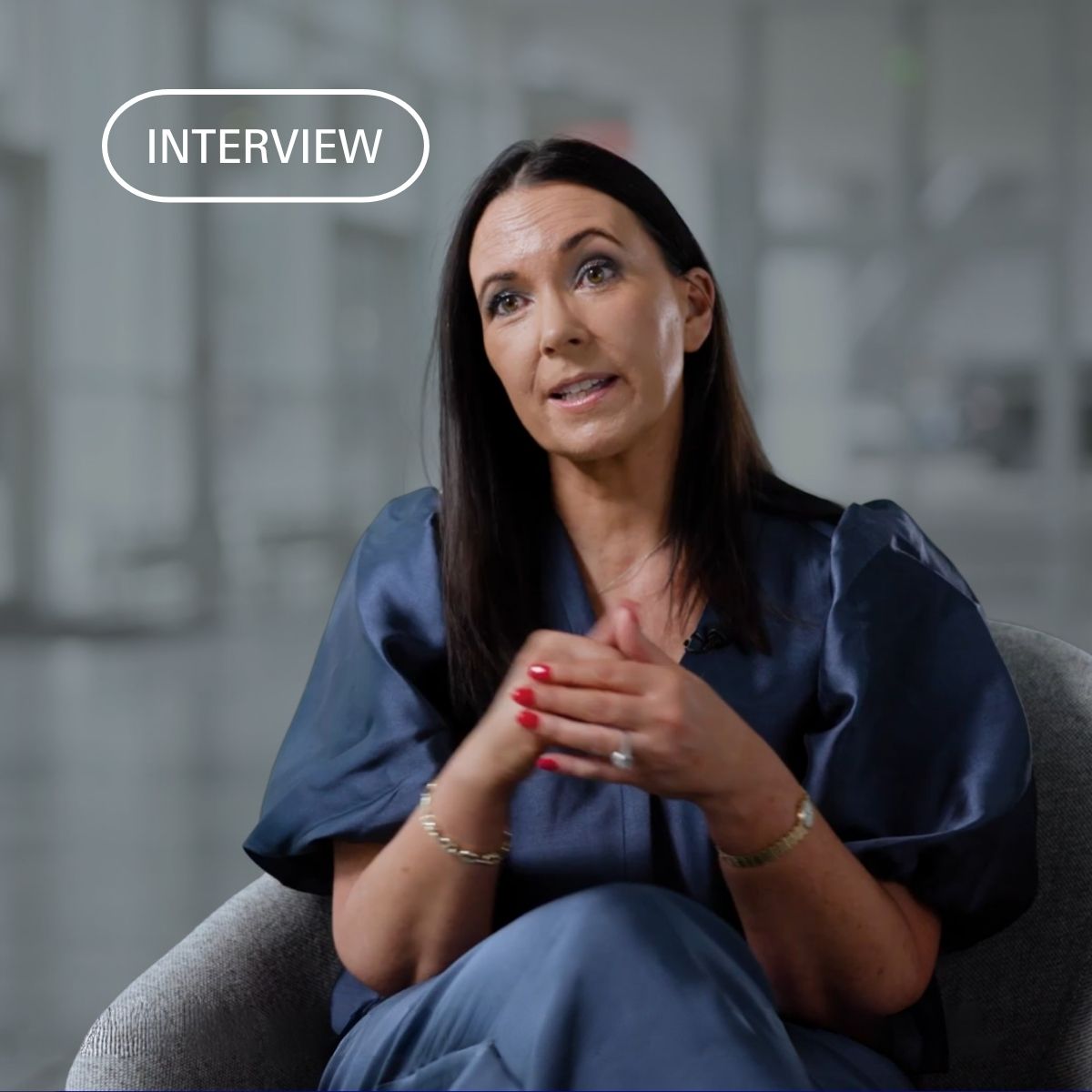
Kathan Shah, Director at the stationery manufacturer Scholar Stationery, also shares his perspective on the resurgence of journaling and analogue consumption:
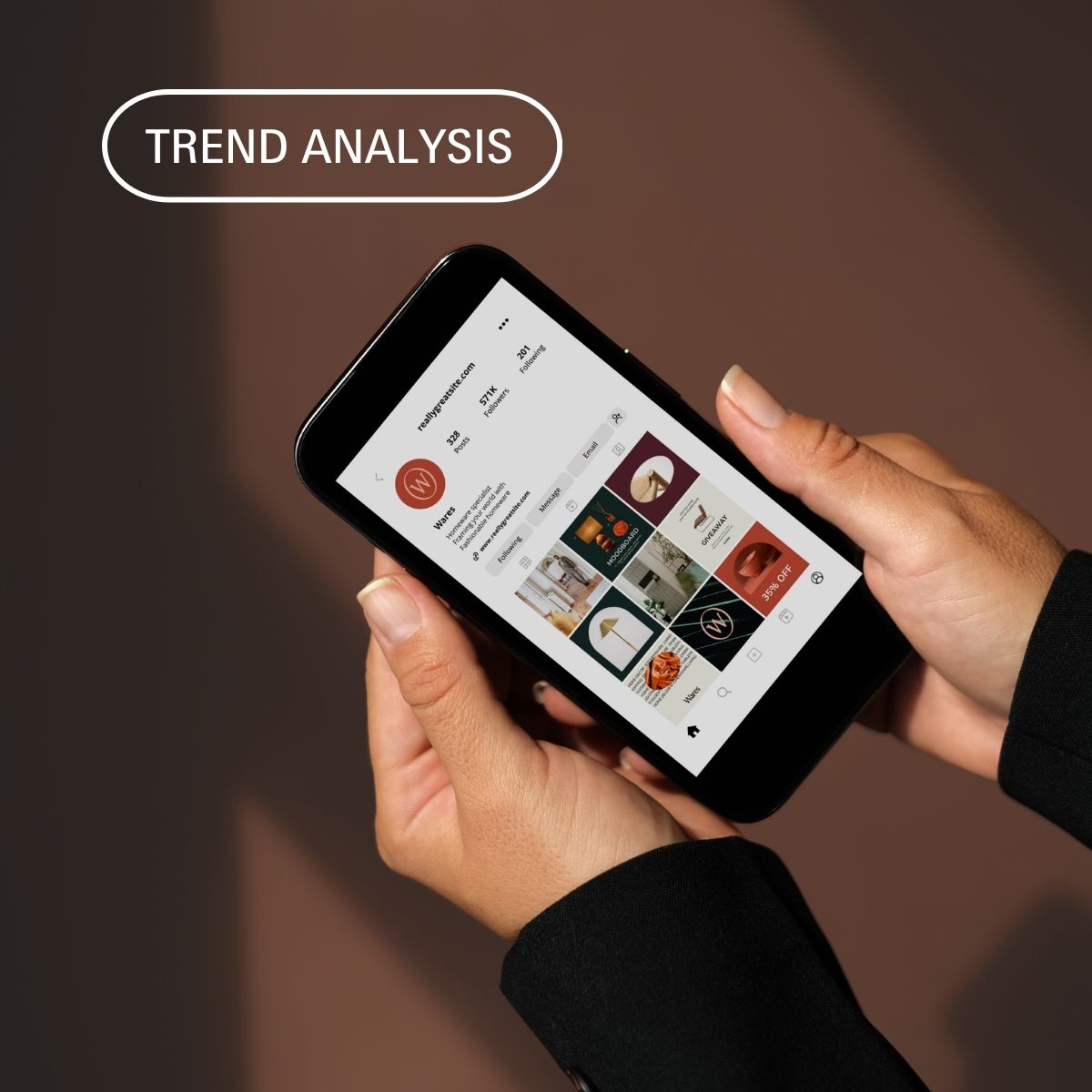
Social media is scaling creativity
Alongside this return to analogue, access to creativity is being fundamentally transformed.
Platforms such as Instagram, TikTok and YouTube allow people to learn creative skills quickly and share them widely. This is leading to a democratisation of creativity:
- Low barriers to entry through tutorials
- Global visibility for creative content
- Instant feedback from communities
Creativity is no longer just a form of personal expression – it is becoming economically relevant. What was once niche is evolving into a widely established consumer trend.
Gen Z and the creator economy: from hobby to business
This shift is particularly evident among Gen Z.
For many younger consumers, creativity is no longer just a way to unwind, but an opportunity for self-expression and entrepreneurship. Small creative projects are increasingly turning into independent brands and micro-businesses. Social media acts as a source of inspiration, a marketing tool and a sales channel all at once.
Consumers are becoming creators.
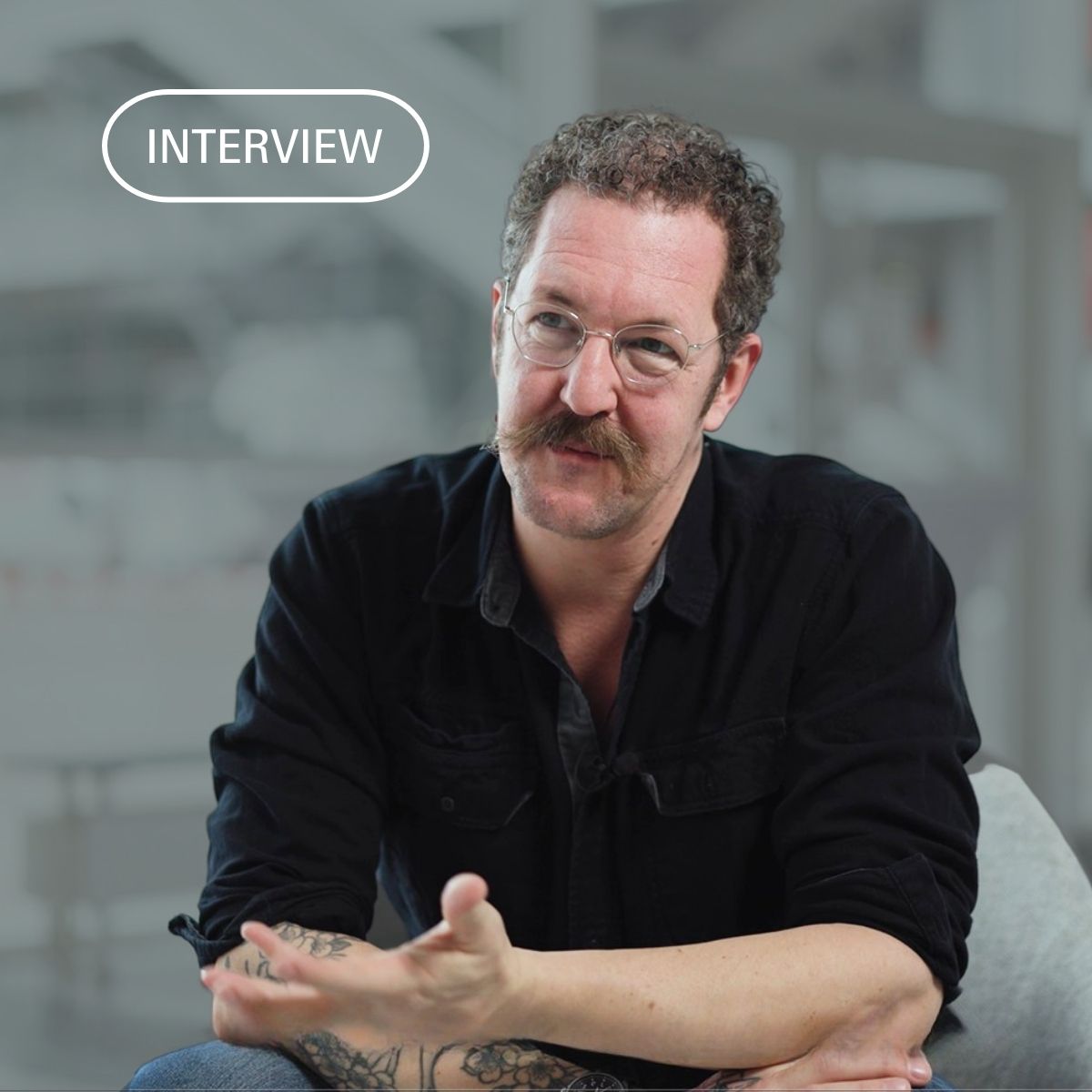
Karan Kehmka of Cricut India, a company specialising in DIY and creative solutions, explains how this shift is playing out in the market, particularly among younger audiences:
What this means for retail
These developments have direct implications for retail. As products are available anytime and anywhere through e-commerce and quick commerce, a traditional assortment alone is no longer enough.
Consumers now expect:
- Inspiration rather than just product displays
- Interactive in-store experiences
- Opportunities for personal creativity
- Community and connection
Retail is evolving into an enabler of creativity, learning and self-expression.
Key insights for retailers
- Creativity is becoming mainstream
What was once niche is now a core part of consumer behaviour and is gaining economic relevance.
- Creativity is part of mental wellbeing
Consumers are increasingly using creative activities to slow down and reflect.
- Social media accelerates creative trends
Digital platforms lower barriers, increase visibility and drive adoption.
- Gen Z combines creativity with entrepreneurship
Hobbies are turning into businesses, with social media as a key channel.
- Retail is becoming an experience space
Stores are evolving from points of sale into places for interaction, inspiration and self-expression.
Recommendations for retailers
- Create experience-driven retail spaces Integrate workshops, DIY stations or live demonstrations into your stores.
- Enable creativity Offer starter kits, curated bundles and inspiring solutions – not just individual products
- Build communities Events, courses and social media groups can strengthen long-term engagement.
- Connect online and offline Use social media as an extension of the physical store, for example through tutorials or creator content.
- Engage Gen Z authentically Focus on participation, authenticity and opportunities for self-expression.
FAQ – creativity as a growth driver in retail
Why is demand for creative products increasing?
Because consumers are actively seeking a balance to digital overload and are turning to creativity as part of mental wellbeing.
What role does the creator economy play in retail?
It is reshaping demand: consumers are becoming producers and need tools, materials and platforms.
How can physical retail remain relevant?
By offering experiences, building communities and integrating interactive, creative elements.
Why is Gen Z so important for retail?
They shape trends early, are digitally connected and expect meaningful, personalised experiences.
What does “experience-driven retail” mean in practice?
A retail concept that goes beyond selling products and focuses on emotion, interaction and added value.