Reading time: 7 minutes
Mobile First & Platform Commerce as Growth Drivers
Indonesia, Vietnam, Philippines: mobile driven growth markets
In Indonesia, around 70% of e commerce revenue comes from smartphones. Platforms such as Shopee and Tokopedia lead the market clearly and drive trends like livestream commerce and in app purchases. In many regions, cash on delivery remains prevalent, while wallets such as GCash (Philippines) or OVO / GoPay (Indonesia) are gradually gaining importance.1
- Social commerce is growing strongly: TikTok shops and livestream selling are creating new impulses, especially in the fashion and beauty segments.
- Payment systems remain fragmented: cash on delivery is often still standard, though wallets such as GCash (Philippines) or OVO (Indonesia) are catching up.
Singapore: the premium market leader
Singapore is distinguished by its high usage of digital payments. In 2024, about 39% of e commerce transactions were via digital wallets. Wallets have overtaken credit cards as the preferred payment method.2
Platform commerce is more curated, with a premium focus. Partnerships between platforms and financial / mobility services are under development to integrate shopping into everyday life.3
Physical Retail between Modernisation and Experience Malls
Thailand & Malaysia: retailtainment in focus
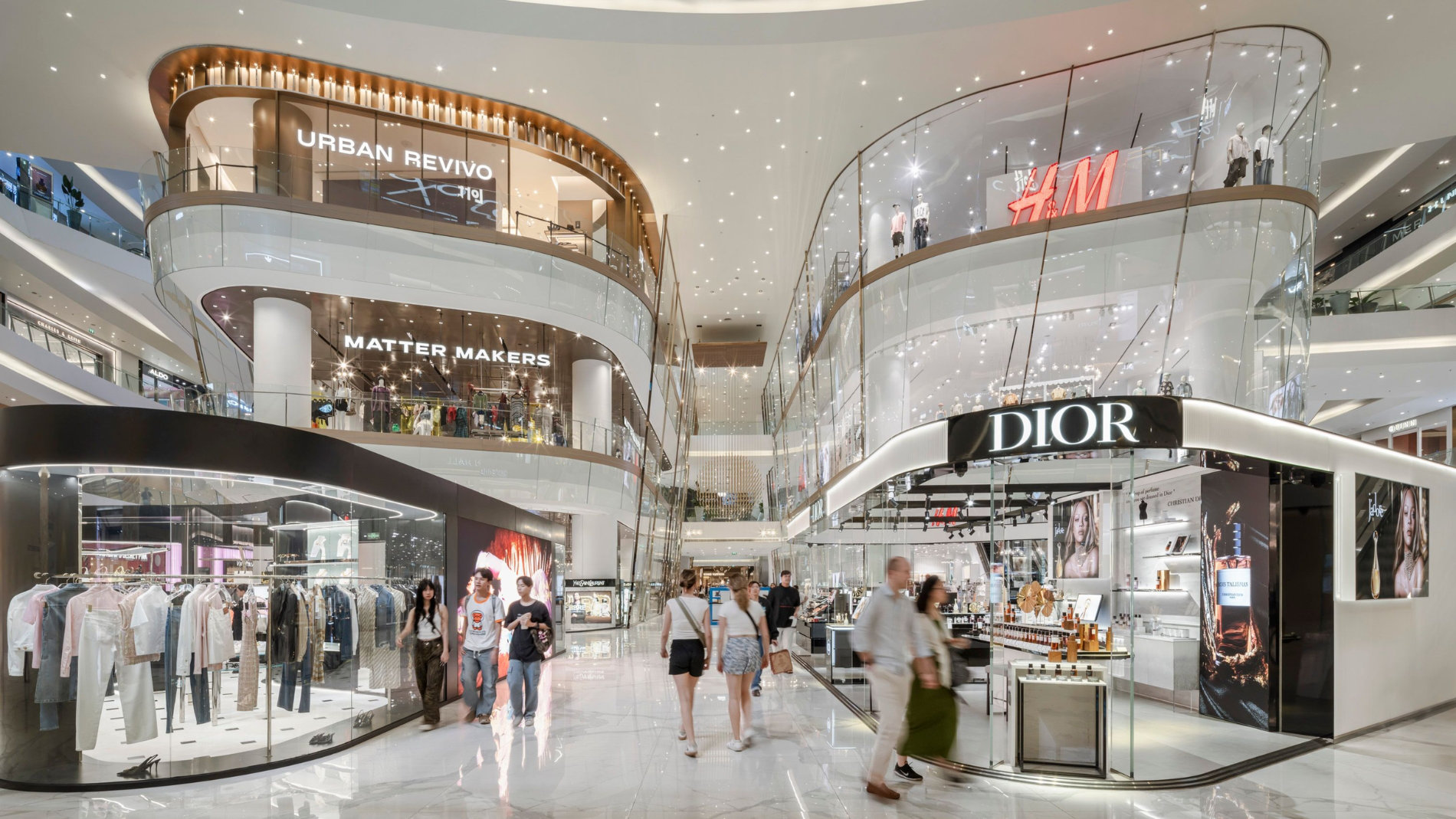
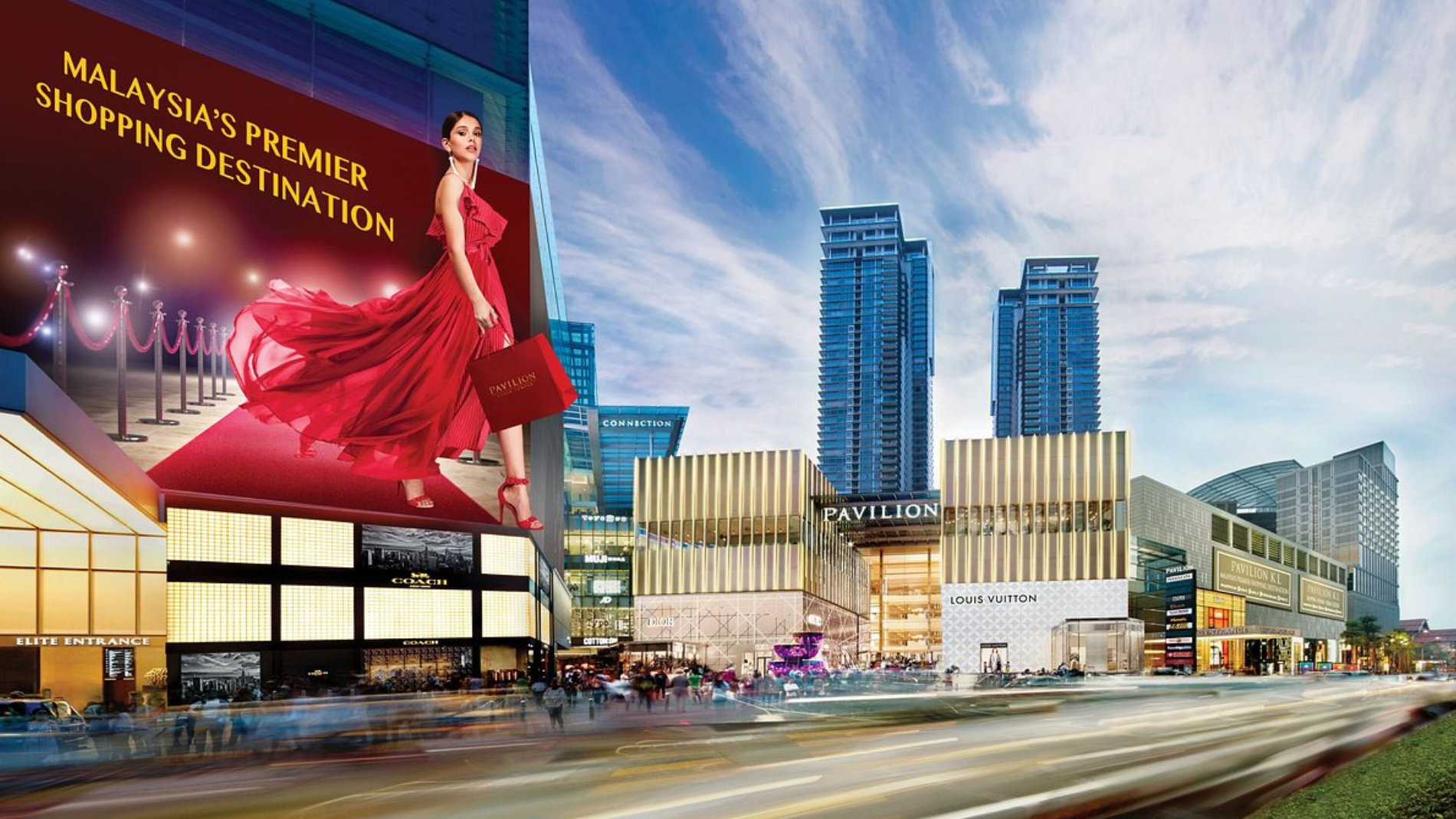
In Bangkok and Kuala Lumpur, shopping centres are shifting from mere retail zones to experience destinations. Alongside retail offerings, changing events and installations are demanded to stage shopping as a leisure destination.
Examples:
- ICONSIAM in Bangkok: a high-end mall with river views, luxury boutiques, an “Indoor Floating Market” (SookSiam) and cultural programming
- Pavilion KL in Kuala Lumpur: luxury brands, food courts, fashion shows and other events
Vietnam & Indonesia: Modern Retail Formats
In Vietnam and Indonesia, physical retail is increasingly modernised. Convenience and quick commerce stores as well as new mall formats in urban areas are gaining traction. Mini malls in residential districts (e.g. in Jakarta) combine groceries, fashion, and café culture. International brands adopt strategies such as co-branding with local partners to better engage consumers.
Good to Know: Platforms & Figures in ASEAN Retail
Market & Growth
- E-commerce revenue in the ASEAN-6 countries is estimated at around USD 136 billion in GMV for 2024, growing to about USD 261 billion by 2029.
- In Indonesia, ~70% of online purchases are conducted via mobile devices.
Payments & Wallets
- In Singapore, the share of digital wallets in e commerce transactions has risen significantly, overtaking credit cards as a preferred payment method (e.g. 39% of transactions by wallet).
- Across Southeast Asia, mobile wallets, embedded finance and BNPL are central trends.
Platforms & Market Positions
- Shopee is one of the leading platforms in Southeast Asia, with strong market share and influence in many ASEAN countries.
- Tokopedia is one of the major players in Indonesia (majority owned by TikTok since 2024).
D2C & Local First: Young Brands on the Rise
Local brands are in focus in many ASEAN markets. Especially, Gen Z prefers companies that are culturally rooted and socially minded. D2C (Direct to Consumer) brands use platforms like Instagram and TikTok successfully to engage their audiences. Examples include:
- Erigo (Indonesia) operates as one of the most recognised streetwear brands today, using its own online channels (including its shop) for direct distribution.
- Pomelo (Thailand) labels itself “internet first”, running omnichannel stores with a Tap Try Buy concept (order online, try in store, only pay for what you keep).
- In Vietnam, the D2C market is growing with double-digit CAGR to 2031, particularly in fashion and beauty, supported by high mobile usage and strong platform infrastructure.
Sustainability: Between Aspiration and Infrastructure
Singapore & Malaysia: sustainability as a premium standard
In Singapore, sustainability plays an important role: concept stores like The Social Space combine café, refillery, fair trade retail and sustainable services under one roof. Refill offerings and eco friendly brands are increasingly visible in the lifestyle and premium segments.
Vietnam & Indonesia: local initiatives
Despite gaps in recycling infrastructure and limited resources in rural regions, urban sustainability projects are growing:
- Thrift and second hand shops such as Kho Đồ Renew in Ho Chi Minh City promote reuse.
- Upcycling initiatives like the “clothing for plants swap” in HCMC foster creative exchange models between garments and nature.
- New shopping districts and mall developments in Vietnam increasingly adhere to green building standards and sustainable architecture.
Experiential & Community Retail
Thailand & Philippines: blending shopping and culture
In Bangkok and Manila, shopping centres and markets increasingly function as social spaces, where dining, art and community converge. Greenbelt in Makati combines open green areas with retail and dining – a mall complex with urban character.

Visualisation of the Greenbelt redevelopment: The Ayala Malls complex is becoming more open, greener and increasingly oriented towards social interaction. © Ayala Malls / OMA
Also, Chatuchak Weekend Market in Bangkok – one of the city’s largest markets – draws visitors with its mix of streetwear, accessories, food and traditional culture, serving as a space for experience.
Singapore: retail as part of urban planning
In Singapore, retail is increasingly interwoven with city development. The master plan for Orchard Road aims to evolve the shopping street into a “lifestyle corridor” with experiences, greenery, and relaxation.
Mixed use projects along Orchard Road are being reimagined: combinations of residential, retail, office and public spaces are being planned, while pop ups and conceptual retail spaces are on the rise.
Influencers & Creator Commerce
Most consumer behaviour in Southeast Asia is socially digitised: TikTok, Instagram and YouTube, as well as ASEAN wide apps like Shopee and Tokopedia, are not only content platforms but active sales channels for brands and D2C products. According to the Influencer Marketing SEA Report, influencers play a pivotal role in e commerce, especially among Gen Z and millennials.
Philippines, Indonesia & Vietnam:
In these markets, the role of creator communities is expanding significantly. Brands increasingly use live commerce and affiliate models via influencers. In the Philippines, the Kumu platform already operates livestream e commerce and integrates influencers and brands into its system. Their influence is not to be underestimated. With regional focus and high engagement, they offer:
- Credibility through proximity to the community
- Lower scatter losses for local audiences
- High conversion when combined with social commerce platforms such as TikTok Shop, Shopee Live or Lazada Seller Centre
Thailand & Malaysia:
Here, too, collaborations between retailers and creators are increasing. Examples include use of pop-up spaces by influencers, in-app sales channels or cooperation in fashion launches.
The creator economy is becoming a growth engine for digital retail in ASEAN: it connects brand storytelling, community engagement and performance marketing.
Beauty & Fashion as Innovation Drivers
Indonesia, Vietnam, Philippines: growth via social commerce
In Southeast Asia’s dynamic consumer markets, beauty is among the fastest-growing segments, with some double-digit annual rates – e.g. ~11% in the Philippines. TikTok commerce, Instagram shops and D2C models especially propel sales.
In Indonesia, Somethinc is a prominent halal-certified beauty brand with D2C orientation.
Fashion trends in ASEAN are often driven by cultural influences and street style – with experimental collections, limited drops and pop-up activations. The regional market is further fuelled by rising digital affinity: brands and start-ups increasingly use Instagram, TikTok and direct selling (D2C) to reach consumers directly.
Singapore: setting premium standards
Singapore stands out as a tech innovator and premium beauty retail hub through its strong integration of digital and physical retail systems.
- Watsons Singapore employs an O+O model and uses AR tools (e.g. Colour Me virtual make up try-on, Skinfie Lab for selfie-based skin analysis)
- The local start-up scene also innovates: Sequential Skin offers a genome-based skin analysis kit for personalised product selection.
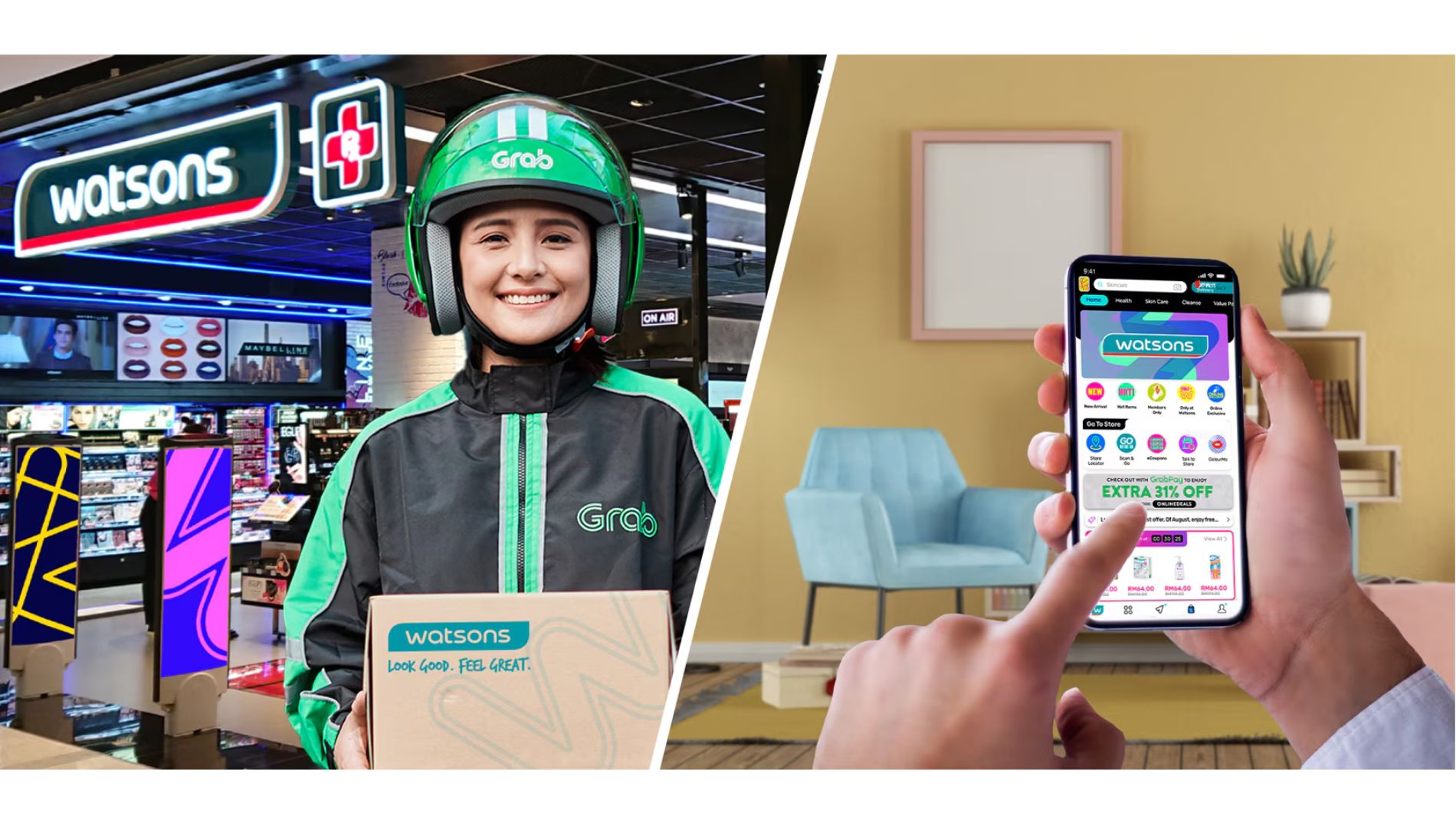
Watsons Singapore combines physical retail, online shopping and delivery via platform partners such as Grab to create an integrated O+O retail experience.© A.S. Watson Group
While international premium brands have strong presence and local beauty brands with innovation are growing, there is not yet conclusive data showing a full shift to “clean beauty” (products with no harmful ingredients). The market is varied and multifaceted.
Innovation & Retail-Tech
Singapore as driver of retail tech in real use
Singapore is considered a technological pioneer in Southeast Asian retail – not only in infrastructure, but particularly in integrating new technologies into physical retail:
- “Scan & Go” at FairPrice allows customers to scan products via app and pay directly, reducing checkout queues and promoting app-based shopping.
- The FairPrice Finest store in Sengkang demonstrates a combination of self-checkout, scan lanes and app interaction.
- Trax Retail, headquartered in Singapore, provides cloud- and AI-based solutions for shelf management and in-store analytics, regarded as a leading provider in the retail tech segment.
- While smart shelving and in-store analytics are considered key technologies, case studies already exist in inventory and execution solutions.
Singapore illustrates how retail tech becomes reality – with scalable models for the entire ASEAN region. Especially in the context of labour shortages, urbanisation and digital customer expectations, these solutions set new standards for efficiency and experience.
Thailand & Vietnam: digital pilot projects
In Thailand and Vietnam, first digital store formats are emerging. Potential technologies under pilot include smart shelves, customer heatmaps, and mobile self-checkout.
In these markets, general digital programmes (e.g. Thailand 4.0) foster innovation across sectors – a strategy that may provide retail tech start-ups better access in the mid-term.
Conclusion – ASEAN as the Test Market of Tomorrow
ASEAN retail trends vividly show how diverse and innovation-driven Southeast Asia’s retail landscape is. Whether mobile commerce, sustainability, or retail tech – the region increasingly acts as a pilot ground for new retail formats. With over 14% annual e-commerce growth, ASEAN is projected to reach market volumes of around USD 261 billion by 2029.
A young, digitally adept population, rising incomes and urban growth offer enormous potential. Brands and retailers that perform well here may later scale their concepts globally.
FAQ on Retail Trends in ASEAN
Which countries are shaping current retail trends in Southeast Asia?
Indonesia, Vietnam and the Philippines are considered the key growth markets, driven by strong mobile and social commerce adoption. Singapore positions itself as a premium market with advanced digital payment systems and retail tech innovation.
What opportunities does the ASEAN market offer international brands?
With a young, digitally savvy population and a growing middle class, ASEAN offers significant potential. Brands can expand successfully through local partnerships and direct-to-consumer strategies.
What market entry challenges do international brands face in ASEAN?
International brands encounter diverse market structures, languages and consumer behaviours across the region. Major challenges include fragmented logistics, complex regulatory environments and the need for cultural adaptation. Successful entry typically relies on local partnerships, omnichannel strategies and integration with regional platforms such as Shopee or Tokopedia.
What does the future of retail technology (e.g. AI, smart stores, data analytics) look like in ASEAN?
ASEAN is emerging as a testbed for retail innovation. In Singapore, retailers are already adopting AI-driven solutions such as smart shelves, in-store analytics and self-checkout systems. Countries like Thailand and Vietnam are following with pilot projects as part of national digital strategies. Data analytics, automation and personalised customer experiences are expected to become key drivers of retail growth in Southeast Asia.
1 https://www.mordorintelligence.com/industry-reports/indonesia-ecommerce-market
2 Worldpay Global Payments Report 2025: https://fintechnews.sg/112214/e-wallets/digital-wallets-overtake-credit-cards-as-top-e-commerce-payment-method-in-singapore
3 UOB × Lazada: https://www.uobgroup.com/web-resources/uobgroup/pdf/newsroom/2023/uob-lazada-form-strategic-partnership.pdf