Don't miss out on the latest trends and updates! Subscribe to our newsletter and receive regular updates, exclusive content, and useful tips to keep your industry knowledge up to date.
AI search in retail: How products can appear in ChatGPT and beyond
23 Sep 2026
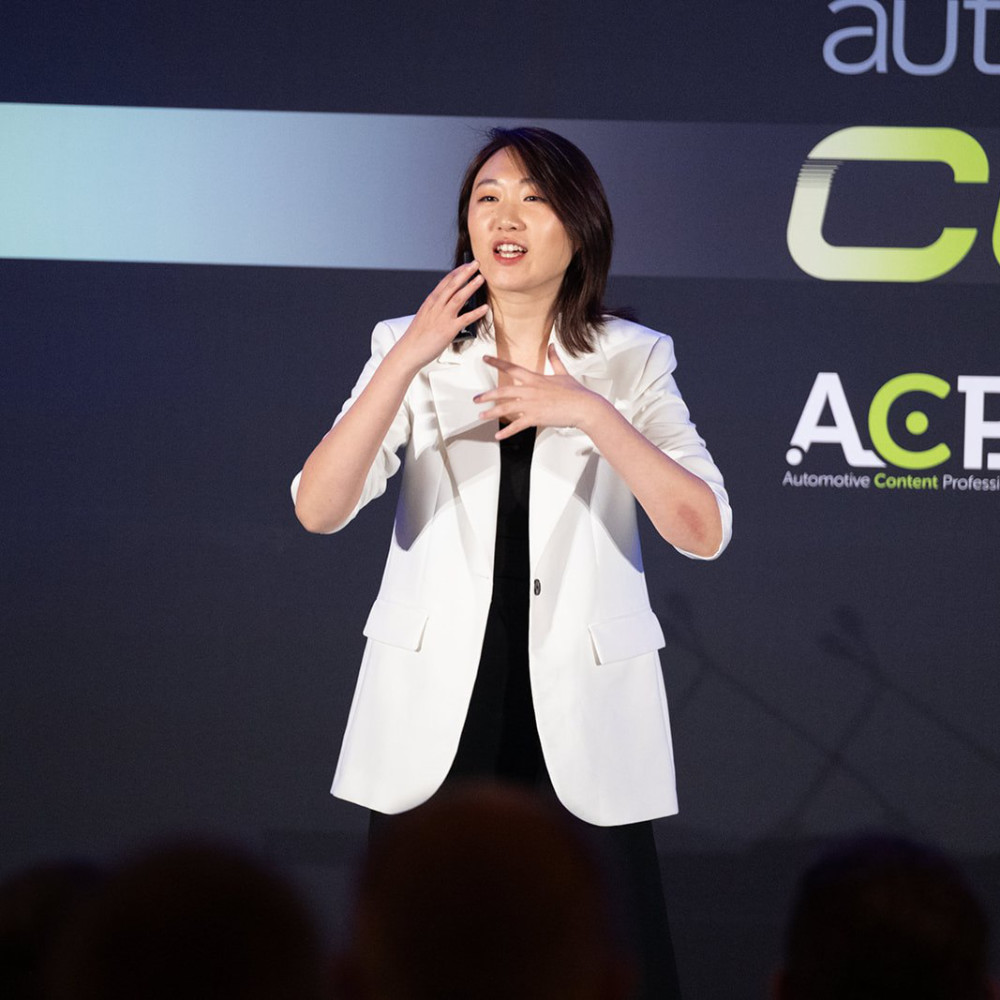
How can products become more visible in ChatGPT, Gemini or Claude? AI expert Sharon Gai explains why product pages need more context, how retailers can use generative AI for product imagery and where to start with AI tools.
AI systems such as ChatGPT, Gemini and Claude are creating an additional route to product discovery.
Clear and detailed product information can help AI systems understand products and their use cases.
Alongside product descriptions, complete, up-to-date and structured product data is important.
Generative AI can also support retailers with visual product communication.
Sharon Gai recommends starting with specific use cases and testing different AI tools.
“The more context you give on your product detail page, the more chances that it will surface in an answer.”
Your consent is required
To view the video, you must give consent to our Brightcove video player in the privacy policy settings.
AI search is changing product discovery
Product discovery no longer takes place exclusively through traditional search engines, online shops or marketplaces. AI systems such as ChatGPT, Gemini and Claude can also be used to discover and compare products or find recommendations for specific needs.
This is also changing the way people search. Instead of entering individual keywords, users can describe in natural language what they are looking for, how they intend to use a product or which features matter to them.
For retailers and brands, this creates an additional customer touchpoint. Product information needs to be clear enough for both people and AI systems to understand what a product offers and which queries it may be relevant to.
Why product pages need more context
For Sharon Gai, an important starting point is the product detail page. Small and medium-sized businesses in particular can improve the information they already provide without necessarily increasing their marketing spend.
Her example: a sofa should not simply be described as a “sofa”. Additional information can explain whether it is suitable for a living room or office, how it might be used and which specific needs it meets.
Product information can therefore answer questions such as:
What is the product?
Who is it suitable for?
Where and how is it used?
What features and functions does it offer?
Which specific needs or requirements does it address?
The aim is not to make product pages as long as possible. What matters is providing specific, clear and useful information that helps place the product in context.
Product copy is only one part of the information available to AI systems. Complete and up-to-date details on features, variants, prices and availability, as well as structured product data, can also play an important role in AI-powered shopping experiences.
Generative AI for visual product communication
Sharon Gai also sees practical applications for generative AI in the visual presentation of products.
Product imagery plays a central role in retail, while photography, set design and image editing can require considerable time and resources. AI image tools can, for example, help vary backgrounds or place an existing product in different visual settings.
This can enable retailers to create image variations more quickly for different communication channels or use cases. Generative AI does not automatically replace traditional product photography, but it can complement existing production processes.
Where AI image tools can support retailers
Possible applications include:
creating different backgrounds for existing product images
showing products in different use cases and settings
developing variations for different communication channels
creating initial visual concepts and campaign ideas
It remains important that generated visuals represent the actual product accurately and are used responsibly.
Tips for retailers
Add more context to product pages Go beyond product features and include relevant information about use cases, target audiences and situations in which the product is used. This makes it clearer which needs and searches the product may be relevant to.
Keep product data complete and up to date Alongside product copy, review structured information on features, variants, prices and availability. The clearer and more current the data, the easier it is for digital systems to process.
Test your product visibility Ask ChatGPT, Gemini or Claude typical questions about your product category. Which products, brands and sources appear? These tests can help identify gaps in the information you provide.
Start with one specific AI use case Rather than introducing multiple applications at once, start with a clearly defined task – for example research, copywriting or visual concepts.
Explore different AI tools ChatGPT, Gemini, Claude and other applications continue to evolve. Test which tools are best suited to specific tasks and the needs of your organisation.
Sharon Gai is an expert in AI, e-commerce and digital transformation, with an international focus on retail and consumer goods. At Alibaba, she advised brands and decision-makers on digital strategy, programmatic marketing and artificial intelligence.
She is the author of Ecommerce Reimagined and How To Do More with Less Using AI and focuses on the practical use of AI in business and retail.
AI search allows consumers to use systems such as ChatGPT, Gemini or Claude to look for information, recommendations or suitable products. Instead of entering individual keywords, they can describe their requirements in natural language.
Clear and complete product information can help AI systems understand a product and its use context. Alongside useful product descriptions, structured and up-to-date product data can also play an important role. However, this does not guarantee that a product will appear in a particular AI answer.
Relevant information includes a clear product description, features and functions, the intended audience and use context, as well as current details on variants, prices and availability. The key is to provide accurate, specific and complete information.
Generative AI can support retailers with tasks such as research, copywriting, knowledge management and the development of visual content. The most useful applications depend on the specific task and the needs of the business.